
Contents
- 🎵 Origins & History
- ⚙️ How It Works
- 📊 Key Facts & Numbers
- 👥 Key People & Organizations
- 🌍 Cultural Impact & Influence
- ⚡ Current State & Latest Developments
- 🤔 Controversies & Debates
- 🔮 Future Outlook & Predictions
- 💡 Practical Applications
- 📚 Related Topics & Deeper Reading
- Frequently Asked Questions
- Related Topics
Overview
The lineage of classic menswear stretches back centuries, with its modern form largely solidifying in the late 19th and early 20th centuries. Precursors can be traced to the sartorial codes of European aristocracy, where distinct clothing signified social standing and profession. The rise of the modern suit, particularly the three-piece ensemble, is often attributed to figures like Beau Brummell in the Regency era, who championed understated elegance and impeccable tailoring over ostentatious fashion. The late 19th century saw the formalization of dress codes for various occasions, influenced by institutions like Savile Row tailors in London and the burgeoning menswear houses in Paris and New York. The establishment of the tuxedo for evening wear, the adoption of the lounge suit for business, and the development of specialized sportswear all contributed to the codified system we recognize today. The mid-20th century, particularly the post-war era, represented a golden age for classic menswear, with brands like Ralph Lauren and Brooks Brothers becoming synonymous with American classic style.
⚙️ How It Works
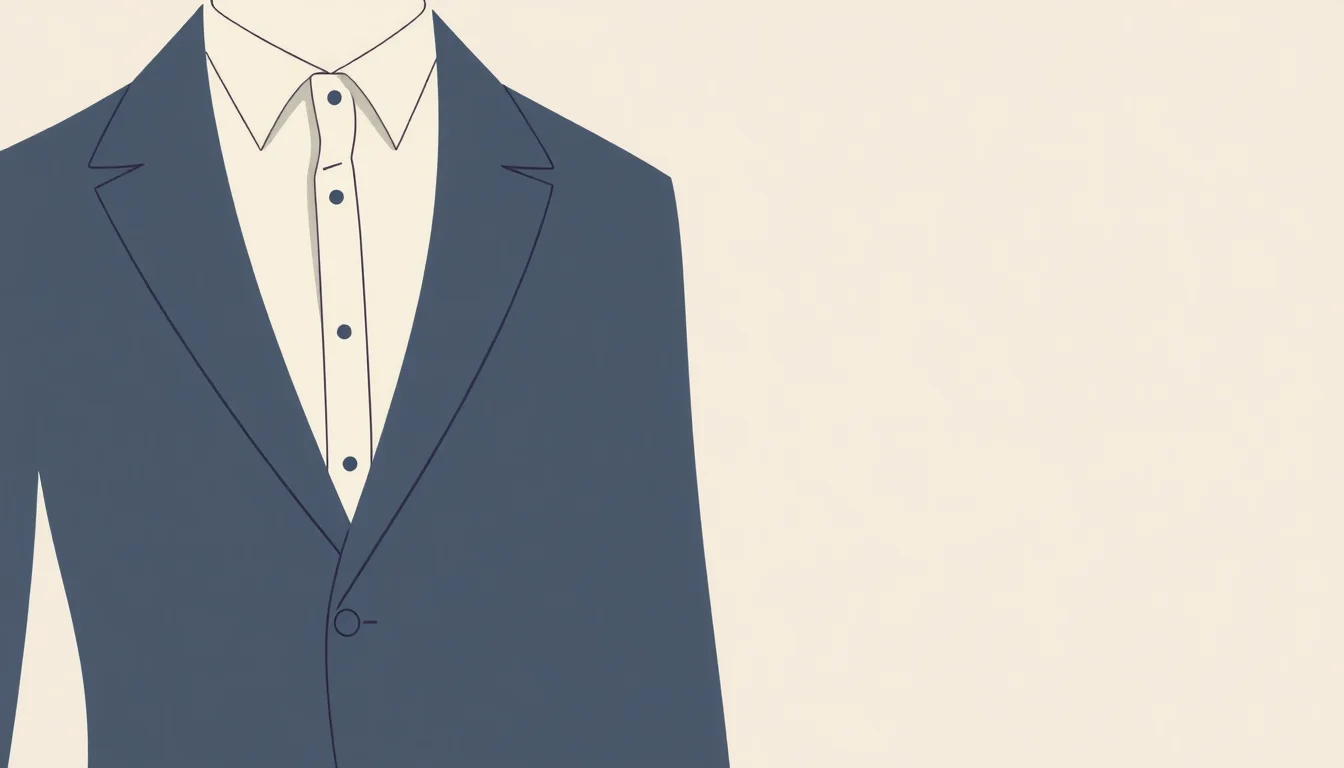
At its heart, classic menswear operates on principles of construction, material, and occasion. Garments are typically constructed with attention to detail, often featuring canvassed interlinings in jackets for better drape and longevity, as opposed to fused construction. Natural fibers like wool (worsted, flannel, tweed), cotton (oxford, poplin, twill), and linen are favored for their breathability, texture, and how they age. The 'rules' of classic menswear dictate specific pairings for different events: the tuxedo for black-tie, the morning coat for formal daytime events, the three-piece suit for business, and the sport coat with trousers for less formal, yet still smart, occasions. Key elements include the proper fit of a suit jacket, the break of trousers, the choice of shirt collar and cuff, and the selection of appropriate neckwear. Understanding these components allows for the creation of harmonious and contextually relevant outfits.
📊 Key Facts & Numbers
The global market for menswear, encompassing classic styles, is substantial. In 2023, the menswear market was valued at approximately $500 billion USD, with a projected growth rate of 4-5% annually. Within this, the luxury menswear segment, which heavily features classic pieces, accounts for over $50 billion. A well-made bespoke suit can cost anywhere from $2,000 to $10,000+, while a high-quality off-the-rack suit from a reputable brand might range from $500 to $2,000. The average lifespan of a classic wool suit, with proper care, can exceed 10 years. Globally, Italy, the UK, and the United States remain leading producers and consumers of high-quality classic menswear, with emerging markets in Asia showing significant growth.
👥 Key People & Organizations
Numerous individuals and institutions have shaped and preserved classic menswear. Savile Row tailors in London, such as Henry Poole & Co. (founded 1806) and Gieves & Hawkes (founded 1771), are legendary for their craftsmanship. Italian tailoring houses like Brioni and Ermenegildo Zegna are renowned for their distinct Neapolitan and Milanese styles. American icons like Ralph Lauren have masterfully translated classic European styles into a globally recognized aesthetic. Publications like Esquire and GQ have historically played a role in disseminating trends and educating readers on classic dressing. Organizations such as the Council of Fashion Designers of America (CFDA) also support the industry.
🌍 Cultural Impact & Influence
Classic menswear has profoundly influenced global fashion and personal presentation. It established the foundational elements of formal and business attire that persist today, even as casual wear has become more prevalent. The aesthetic has permeated popular culture, appearing in countless films and television shows that depict characters embodying sophistication and authority. Brands that adhere to classic principles, like Ralph Lauren, have built empires on this enduring style. Furthermore, the emphasis on quality and longevity in classic menswear has, in recent years, contributed to a growing appreciation for sustainable fashion and mindful consumption, as consumers increasingly seek durable, timeless pieces over disposable trends.
⚡ Current State & Latest Developments
Despite the rise of athleisure and streetwear, classic menswear continues to hold significant ground, particularly in professional environments and for formal occasions. There's a discernible resurgence in appreciation for tailoring and quality construction, driven by a younger generation seeking authenticity and a departure from fast fashion. Brands are increasingly focusing on updated fits and more versatile interpretations of classic pieces. For instance, the adoption of softer shoulder constructions and slightly slimmer silhouettes in suits has made them more approachable for a contemporary audience. Online communities and menswear blogs dedicated to classic style, such as Permanent Style and The Distinguished Gentleman's Guide, are actively engaging new enthusiasts, fostering a continued interest in traditional sartorial codes.
🤔 Controversies & Debates
The primary debate within classic menswear revolves around the balance between tradition and modernity. Critics argue that strict adherence to historical dress codes can appear anachronistic or out of touch in contemporary society, particularly outside of very formal settings. Conversely, purists contend that deviating too far from established principles dilutes the essence of classic style and compromises its inherent elegance and appropriateness. Another point of contention is the definition of 'classic' itself; what was considered standard in the 1950s might differ from current interpretations, leading to discussions about whether certain styles are truly timeless or merely historical trends. The rise of 'smart casual' and 'business casual' also blurs the lines, prompting questions about where classic formality ends and relaxed dressing begins.
🔮 Future Outlook & Predictions
The future of classic menswear appears to be one of adaptation rather than extinction. Expect to see continued innovation in fabric technology, offering enhanced comfort and performance within traditional silhouettes. Brands will likely continue to experiment with fits, offering a wider range of options to cater to diverse body types and style preferences. The influence of digital platforms and social media will undoubtedly grow, with influencers and content creators playing a larger role in shaping perceptions and educating new audiences. There's also a growing potential for greater inclusivity, with more brands exploring classic styles for a wider range of genders and body shapes. The core values of quality, fit, and timelessness, however, are likely to remain the bedrock of classic menswear's enduring appeal.
💡 Practical Applications
Classic menswear finds practical application across numerous facets of modern life. The business suit remains a staple for interviews, corporate meetings, and professional environments, projecting competence and seriousness. Formal wear, such as the tuxedo and white tie, is essential for weddings, galas, and state dinners. Even more casual interpretations, like a well-fitting sport coat with chinos or dark denim, serve as go-to outfits for smart-casual events, dinners, and social gatherings where a polished appearance is desired. The principles of classic menswear also inform everyday choices, such as selecting quality dress shirts, understanding the nuances of shoe care, and mastering the art of layering with cardigans or v-neck sweaters.
Key Facts
- Year
- Late 19th Century - Present
- Origin
- Western Europe and North America
- Category
- aesthetics
- Type
- concept
Frequently Asked Questions
What are the core components of classic menswear?
The core components include well-tailored suits (single-breasted, double-breasted), dress shirts (oxford, poplin), trousers (wool, chinos), neckties, pocket squares, dress shoes (oxfords, loafers), and outerwear like trench coats and overcoats. Fit, fabric quality (e.g., wool, cotton, linen), and attention to detail are paramount. The overarching principle is appropriateness for the occasion, whether it's a formal event, business meeting, or smart-casual gathering.
How has classic menswear evolved over time?
Classic menswear has evolved from the more rigid sartorial codes of the 19th century to accommodate modern lifestyles. While the foundational garments like the suit remain, silhouettes have adapted, moving from broader cuts to slimmer, more contemporary fits. Fabric innovations have introduced lighter, more breathable, and performance-oriented materials. The rise of 'business casual' and 'smart casual' has also broadened the definition, incorporating elements like the sport coat and chinos as acceptable alternatives to full suits in many professional and social settings.
What is the difference between classic and contemporary menswear?
Classic menswear emphasizes timeless designs, traditional construction methods, and established dress codes that have proven their longevity. Contemporary menswear, while often influenced by classic styles, prioritizes current trends, experimental silhouettes, and a wider range of materials, often incorporating elements from streetwear and athleisure. A classic suit might feature a structured shoulder and a moderate lapel, whereas a contemporary suit could have a deconstructed shoulder, oversized proportions, or bold patterns, reflecting current fashion cycles.
Why is fit so important in classic menswear?
Fit is arguably the most critical element in classic menswear because it dictates how a garment drapes and presents the wearer. A well-fitting suit, for example, should follow the natural lines of the body without being too tight or too loose, ensuring comfort and a polished appearance. Poor fit can make even the most expensive garment look cheap and unprofessional. This is why bespoke tailoring and made-to-measure services, which focus on precise measurements, are highly valued within the classic menswear tradition.
What are some common mistakes beginners make in classic menswear?
Common mistakes include wearing ill-fitting garments, especially suits that are too large or too small, and misunderstanding the appropriate break of trousers. Another frequent error is mismatching patterns or colors without a solid understanding of color theory. Forgetting to coordinate accessories, such as wearing athletic socks with a suit or choosing the wrong type of dress shoe for an outfit, are also common pitfalls. Over-accessorizing or under-accessorizing can also detract from an otherwise classic look.
How can I start building a classic menswear wardrobe on a budget?
Begin by investing in versatile, foundational pieces. A well-fitting navy blazer or sport coat, a couple of high-quality dress shirts (white and light blue), a pair of well-made wool trousers in grey or navy, and a classic necktie are essential. Focus on fit above all else; consider visiting a tailor for minor alterations, which can make a significant difference. Look for sales from reputable brands like Brooks Brothers or J.Crew, and explore quality second-hand or vintage options for items like overcoats or blazers. Prioritize natural fibers like wool and cotton.
What is the role of accessories in classic menswear?
Accessories are crucial for completing a classic menswear ensemble and adding personal flair. Key accessories include neckties, pocket squares, dress socks, belts, watches, and cufflinks. They serve to harmonize the outfit, add a touch of personality, and signal attention to detail. For example, a well-chosen pocket square can elevate a suit, while a classic watch conveys sophistication. The key is to select accessories that complement, rather than compete with, the main garments.