
Contents
Overview
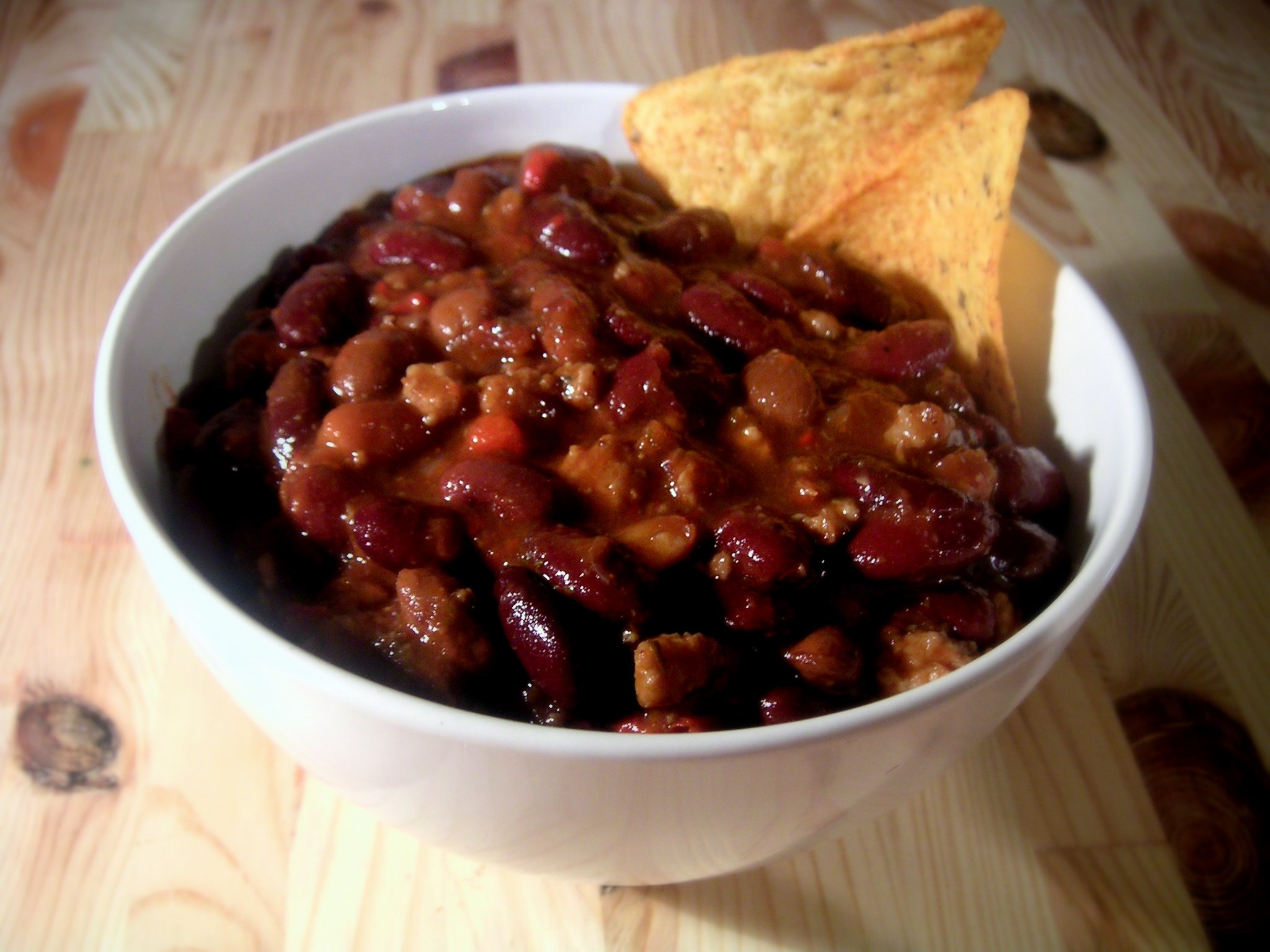
The genesis of chili con carne is shrouded in the mists of Texan and Mexican culinary history. Early iterations likely emerged from the practical needs of vaqueros (cowboys) in Texas, who would prepare simple, dried-meat stews seasoned with chiles and cumin, cooked over open fires. The "Bowl of Red" narrative, popularized by figures like Frank X. Tolbert, points to San Antonio, Texas, as a key birthplace, with the iconic "Chili Queens" of the city's plazas serving up their versions to hungry patrons. While the exact inventor remains elusive, the dish's evolution is undeniable, moving from a simple campfire meal to a complex, regional specialty. The inclusion of beans, a point of contention for many, likely became more prevalent as ingredients became more accessible and varied.
⚙️ How It Works
At its core, chili con carne is a slow-cooked stew where the magic happens through the melding of flavors and tenderization of ingredients. The process typically begins with browning meat, often ground beef or cubed chuck roast, to build a foundational savory depth. Aromatics like onions and garlic are then sautéed, followed by the addition of chili powder, cumin, oregano, and other spices, which are bloomed to release their full fragrance. Tomatoes, whether crushed, diced, or as paste, provide acidity and body, while liquids like beef broth, beer, or even coffee contribute to the simmering base. Beans, if used, are usually added towards the end to prevent them from becoming mushy. The entire mixture simmers for hours, allowing the spices to penetrate the meat and the flavors to deepen into a rich, complex profile.
📊 Key Facts & Numbers
Chili cook-offs, a significant cultural phenomenon, can attract thousands of participants and spectators. The U.S. consumes an estimated 150 million pounds of chili powder annually. The global market for canned chili products is valued at over $500 million, with major players like Conagra Brands and Campbell Soup Company dominating sales. A 2018 survey by YouGov America revealed that 79% of Americans enjoy chili, with 28% eating it at least once a month. The average American eats chili approximately 3.5 times per year, with consumption peaking during colder months. In Texas alone, there are over 500 official chili cook-off events each year. Some prize purses exceed $10,000.
👥 Key People & Organizations
While no single individual can claim sole invention, figures like Frank X. Tolbert, a journalist and author, played a crucial role in documenting and popularizing the "authentic" Texas chili tradition through his book "A Bowl of Red." Organizations such as the International Chili Society (ICS), founded in 1965, have been instrumental in standardizing rules for chili competitions and promoting the dish nationwide. Many regional chili associations and clubs exist across the United States, each with its own set of champions and traditions. Celebrity chefs like Bobby Flay have also contributed to chili's culinary discourse, often showcasing their unique takes on the dish in cookbooks and on television programs, further cementing its place in popular culture.
🌍 Cultural Impact & Influence
Chili con carne has transcended its Tex-Mex origins to become a globally recognized comfort food, influencing cuisines far and wide. Its presence is felt in everything from fast-casual restaurants to home kitchens, and it frequently appears on menus in countries as diverse as Canada, the United Kingdom, and Australia. The dish's adaptability has led to countless variations, including vegetarian and vegan versions, reflecting evolving dietary trends and cultural fusions. Chili has also become a staple in American popular culture, frequently referenced in films, television shows, and literature, often symbolizing hearty, unpretentious dining. The annual World Chili Cook-Off draws competitors from around the globe, highlighting its international appeal and competitive spirit.
⚡ Current State & Latest Developments
Plant-based chili alternatives, utilizing ingredients like lentils, mushrooms, and jackfruit, are gaining significant traction, appealing to a broader demographic and reflecting the growing demand for vegan and vegetarian options. The competitive chili circuit remains vibrant, with events like the Terlingua International Chili Championship continuing to draw thousands of enthusiasts and professional cooks, showcasing innovation and tradition side-by-side.
🤔 Controversies & Debates
The most enduring controversy surrounding chili con carne is the "beans vs. no beans" debate. Purists, particularly those adhering to a strict Texan tradition, argue that true chili should contain only meat, chiles, and spices, with tomatoes and beans considered sacrilegious additions. This has led to distinct categories in competitions, such as "traditional red" (no beans) and "homestyle" (beans and other additions allowed). Another point of contention is the use of ground meat versus cubed meat, with some favoring the texture and richness of cubed cuts. The "sweetness" of chili is also debated, with some advocating for a touch of sugar or molasses, while others find it an unwelcome intrusion. The very definition of chili is contested, with some arguing that any dish with beans and tomatoes is merely a "stew" and not true chili.
🔮 Future Outlook & Predictions
The future of chili con carne appears to be one of continued diversification and innovation. Expect to see more sophisticated ingredient sourcing, with an increased focus on heritage chili peppers and locally raised meats. The plant-based movement will undoubtedly continue to influence chili recipes, leading to more complex and flavorful meat-free versions that rival their traditional counterparts. Furthermore, the globalization of chili will likely result in even more fusion variations, incorporating flavors and techniques from cuisines worldwide. The competitive chili scene will probably see further specialization, with new categories emerging to accommodate evolving tastes and ingredients, potentially pushing the boundaries of what is considered "chili."
💡 Practical Applications
Chili con carne's practical applications extend far beyond being a standalone dish. It serves as a robust filling for burritos, tacos, and nachos, adding a spicy, savory kick. It's often spooned over hot dogs to create chili dogs, a popular American fast food. Chili can also be incorporated into soups, stews, and casseroles, or served as a flavorful topping for baked potatoes and cornbread. In some culinary contexts, it's used as a base for chili cheese fries or as a component in chili mac. Its versatility makes it a go-to ingredient for adding depth and heat to a wide range of dishes.
Key Facts
- Category
- culture
- Type
- food