
Contents
Overview
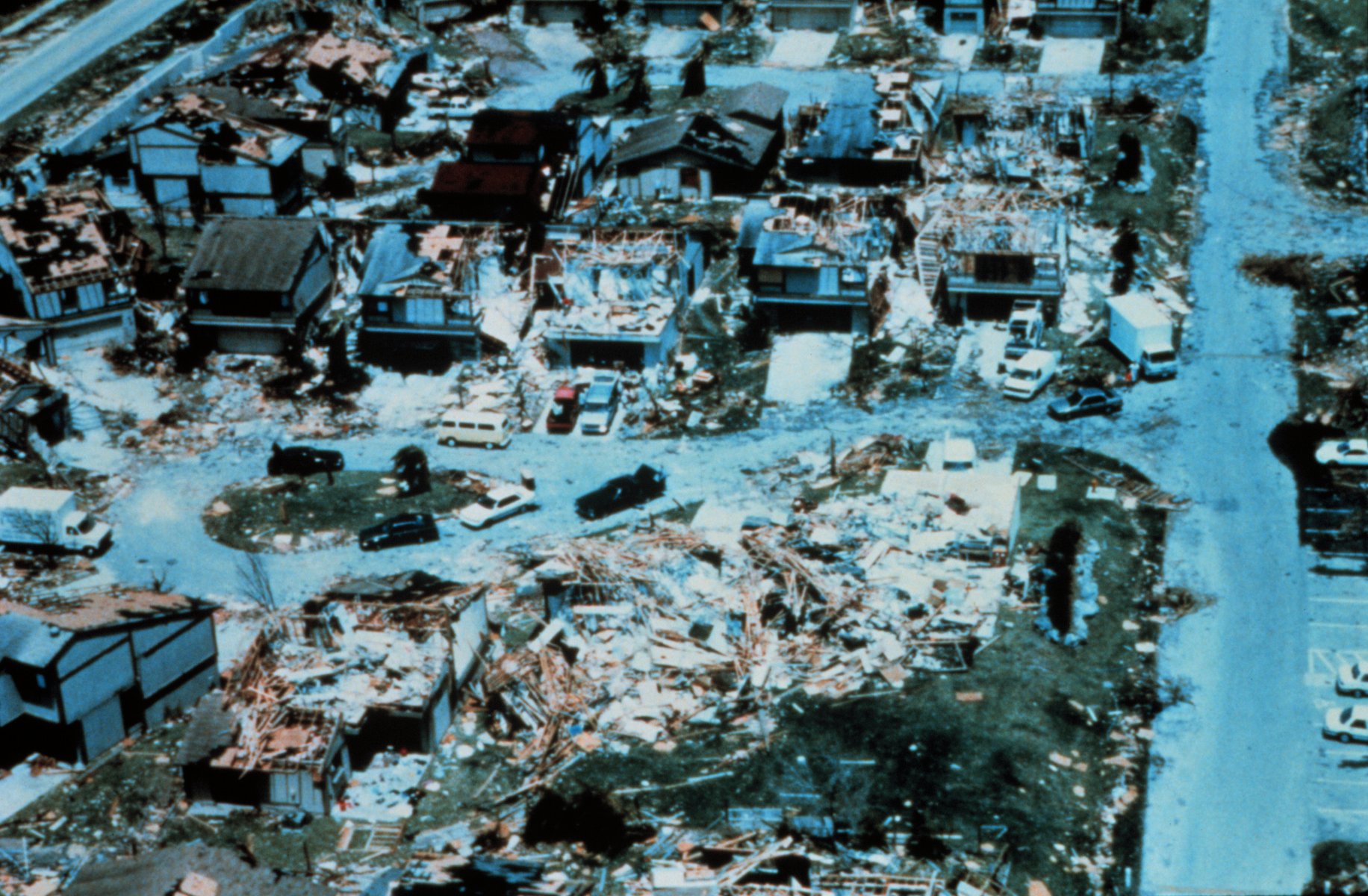
The genesis of catastrophe bonds can be traced to the mid-1990s, a period marked by devastating natural disasters that exposed the limitations of traditional insurance markets. Following the immense losses incurred by Hurricane Andrew in 1992 and the Northridge earthquake in 1994, insurers and reinsurers faced unprecedented financial strain. This crisis highlighted the need for new risk transfer mechanisms that could provide substantial capital in the event of extreme events, beyond the capacity of existing reinsurance treaties. The first cat bond, a $150 million transaction for Paris Re (now part of Scor SE), was issued in 1997, backed by the U.S. hurricane and earthquake risk. This innovation, facilitated by investment banks like Goldman Sachs, fundamentally altered how catastrophic risk was managed, moving it from the balance sheets of insurers to the capital markets.
⚙️ How It Works
Catastrophe bonds operate on a principle of risk securitization. An insurance or reinsurance company (the sponsor) creates a special purpose vehicle (SPV), often domiciled in offshore financial centers like Bermuda or the Cayman Islands. This SPV then issues bonds to investors, typically institutional investors such as pension funds, hedge funds, and asset managers. The bond proceeds are held in a trust account, often invested in safe assets like U.S. Treasury bills. Investors receive regular interest payments (coupons) from these investments. However, the bond's principal is at risk; if a predefined 'trigger event'—such as a hurricane making landfall with a certain wind speed in a specific geographic zone, or an earthquake exceeding a particular magnitude—occurs, the investors' principal is used to pay the sponsor. This effectively transfers the financial burden of the catastrophe from the insurer to the investors. The terms and triggers are meticulously defined in the bond's prospectus, often based on parametric triggers (e.g., wind speed, seismic intensity) or indemnity triggers (based on the sponsor's actual losses).
📊 Key Facts & Numbers
The global market for insurance-linked securities (ILS), which includes catastrophe bonds, has experienced significant expansion. By the end of 2023, the total market size for ILS was estimated to be around $100 billion, with cat bonds representing a substantial portion. For instance, in 2022, the market saw $14.2 billion in new cat bond issuance, a record high, according to data from A.M. Best and ART (Affiliated Reinsurance Transaction). The average coupon rate for cat bonds can range from 5% to 15% or higher, depending on the perceived risk of the underlying perils and the duration of the bond, offering attractive yields compared to traditional fixed-income investments. The total outstanding volume of cat bonds has grown from approximately $5 billion in 2010 to over $30 billion by early 2024, reflecting increased demand from both sponsors and investors seeking diversification and yield.
👥 Key People & Organizations
Key figures in the development and proliferation of catastrophe bonds include individuals and institutions that pioneered the securitization of insurance risk. Howard Kunreuther, a professor at the University of Pennsylvania, has been a prominent academic voice advocating for innovative risk management tools, including cat bonds, since the 1990s. Major investment banks like Goldman Sachs, J.P. Morgan, and Merrill Lynch (now part of Bank of America) were instrumental in structuring and distributing these complex financial products. Leading reinsurers such as Swiss Re, Munich Re, and Berkshire Hathaway (through its General Re subsidiary) have been significant sponsors and users of cat bonds. Specialized ILS fund managers, including Nephila Capital and Credit Suisse Insurance-Linked Strategies, are major investors in this market.
🌍 Cultural Impact & Influence
Catastrophe bonds have profoundly influenced the financial industry's approach to risk management and disaster preparedness. They have democratized access to catastrophe risk for a broader investor base, moving it beyond the confines of the insurance sector. This has led to a more efficient allocation of capital for disaster mitigation and recovery. The success of cat bonds has also spurred the development of other ILS instruments, such as collateralized debt obligations (CDOs) backed by insurance risk and sidecars (temporary reinsurance vehicles). Their existence has allowed governments, such as the California Earthquake Authority, to secure substantial funding for potential disaster relief, thereby enhancing societal resilience. The visibility of these instruments in managing large-scale risks has also raised public awareness about the financial implications of natural disasters.
⚡ Current State & Latest Developments
The catastrophe bond market continues to evolve, driven by increasing global insured losses and the growing recognition of climate change impacts. In 2023 and early 2024, issuance remained robust, with a notable trend towards diversifying the types of risks covered. While historically dominated by U.S. hurricane and Japanese typhoon risks, there's a growing appetite for perils like wildfire, flood, and even cyber risk. The market is also seeing increased participation from sovereign entities and public sector organizations seeking to manage national-level disaster risks. Regulatory bodies, such as the International Organization of Securities Commissions (IOSCO), are increasingly scrutinizing ILS markets to ensure investor protection and market stability, especially as the volume and complexity of these instruments grow.
🤔 Controversies & Debates
The use of catastrophe bonds is not without its critics and controversies. One primary concern is the potential for 'moral hazard,' where sponsors might take on more risk knowing that capital markets will absorb potential losses. Another debate centers on the complexity of these instruments, raising questions about whether all investors fully understand the risks they are undertaking, particularly retail investors who are increasingly being offered access through specialized funds. There's also discussion about the 'basis risk'—the potential for a trigger event to occur but not perfectly align with the sponsor's actual losses, leaving the sponsor under-compensated or investors paying out unnecessarily. Furthermore, the concentration of risk in specific geographic areas or perils can lead to systemic issues if multiple cat bonds are triggered simultaneously during a widespread disaster, potentially impacting market liquidity and investor confidence.
🔮 Future Outlook & Predictions
The future outlook for catastrophe bonds appears strong, largely propelled by the escalating frequency and severity of natural disasters attributed to climate change. Experts predict continued growth in ILS issuance, potentially reaching $150 billion or more within the next five to seven years. There's a significant push to expand the range of covered perils, with increasing interest in modeling and underwriting risks like pandemics, cyberattacks, and extreme weather events beyond traditional hurricanes and earthquakes. Innovations in data analytics and catastrophe modeling, powered by artificial intelligence and machine learning, are expected to improve the accuracy of risk assessment and pricing. Governments are likely to play an even larger role, potentially issuing sovereign cat bonds to fund national disaster resilience programs, as seen with initiatives like the European Union's discussions on risk pooling.
💡 Practical Applications
Catastrophe bonds serve a critical practical function in risk management for a variety of entities. Insurance companies and reinsurers use them to offload peak risks that could otherwise threaten their solvency, thereby maintaining their ability to provide coverage for everyday claims. Governments and public entities, such as the California Earthquake Authority, use them to secure funding for disaster relief and mitigation efforts.
Key Facts
- Category
- finance
- Type
- topic