
Contents
- 🌟 Introduction to Bioidentical Hormone Replacement Therapy
- 🧬 The Science Behind Bioidentical Hormones
- 🏥 Benefits and Risks of Bioidentical Hormone Replacement Therapy
- 👩⚕️ Hormones Used in Bioidentical Hormone Therapy
- 📊 Testing and Compounding in BHRT
- 💡 The Role of Pharmacy Compounding in BHRT
- 🚨 Controversies and Debates Surrounding BHRT
- 🌈 The Future of Bioidentical Hormone Replacement Therapy
- 👥 Key Players and Organizations in the BHRT Industry
- 📚 Conclusion and Recommendations for BHRT
- Frequently Asked Questions
- Related Topics
Overview
Bioidentical hormone replacement therapy (BHRT) has been a topic of intense debate in the medical community since its inception in the 1980s. Proponents, such as Dr. Jonathan Wright and Dr. Suzanne Somers, argue that BHRT offers a more natural and effective approach to hormone replacement, with customized dosing and delivery methods. However, critics, including the FDA and some medical organizations, raise concerns about the lack of standardized testing, potential risks, and limited scientific evidence supporting its use. Despite these controversies, BHRT has gained significant popularity, with many women and men seeking alternative treatments for menopause, andropause, and other hormone-related conditions. The market for BHRT is expected to grow, with a projected value of $1.1 billion by 2025. As research continues to emerge, it is essential to examine the complex landscape of BHRT, including its history, benefits, risks, and future directions. With a Vibe score of 80, indicating significant cultural energy and controversy, BHRT is an area of ongoing discussion and exploration.
🌟 Introduction to Bioidentical Hormone Replacement Therapy
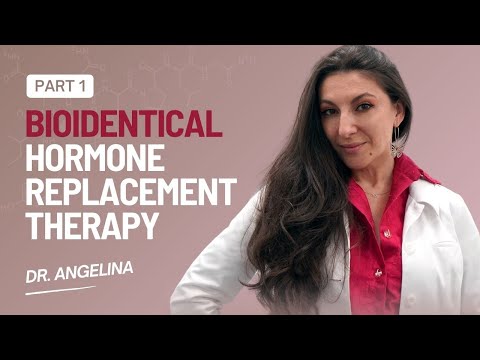
Bioidentical hormone replacement therapy (BHRT) has gained popularity in recent years as a potential solution for individuals experiencing hormonal imbalances. Also known as bioidentical hormone therapy (BHT) or natural hormone therapy, BHRT involves the use of hormones that are identical on a molecular level with endogenous hormones in hormone replacement therapy. This approach may be combined with blood and saliva testing of hormone levels, and the use of pharmacy compounding to obtain hormones in an effort to reach a targeted level of hormones in the body. As with any medical treatment, it's essential to understand the benefits and risks associated with BHRT. Proponents of BHRT claim that it can help alleviate symptoms of hormonal imbalances, such as hot flashes and night sweats.
🧬 The Science Behind Bioidentical Hormones
The science behind bioidentical hormones is rooted in the idea that these hormones are identical to those produced by the human body. This means that they can be more easily recognized and utilized by the body, potentially reducing the risk of adverse reactions. hormone therapy has been used for decades to treat a range of hormonal imbalances, including menopause and low testosterone. However, the use of bioidentical hormones is a relatively recent development, and more research is needed to fully understand its effects. Some studies have suggested that BHRT may be associated with improved quality of life and reduced symptoms of hormonal imbalances. However, other studies have raised concerns about the potential risks and side effects of BHRT.
🏥 Benefits and Risks of Bioidentical Hormone Replacement Therapy
The benefits and risks of bioidentical hormone replacement therapy are a topic of ongoing debate. Proponents of BHRT claim that it can help alleviate symptoms of hormonal imbalances, such as mood swings and fatigue. However, some studies have raised concerns about the potential risks of BHRT, including the risk of blood clots and stroke. It's essential to carefully weigh the potential benefits and risks of BHRT before starting treatment. This may involve consulting with a healthcare provider and discussing the potential alternatives to BHRT. Additionally, individuals should be aware of the potential interactions with other medications and the importance of monitoring hormone levels during treatment.
👩⚕️ Hormones Used in Bioidentical Hormone Therapy
A range of hormones are used in bioidentical hormone therapy, including estrone, estradiol, progesterone, testosterone, dehydroepiandrosterone (DHEA), and estriol. These hormones can be used to treat a range of hormonal imbalances, including menopause symptoms and low libido. However, the use of these hormones should be carefully monitored and adjusted as needed to minimize the risk of adverse reactions. Individuals should also be aware of the potential side effects of hormone therapy and the importance of reporting side effects to their healthcare provider.
📊 Testing and Compounding in BHRT
Testing and compounding are critical components of bioidentical hormone replacement therapy. hormone level testing can help identify hormonal imbalances and inform treatment decisions. Additionally, pharmacy compounding can be used to create customized hormone therapies that meet the unique needs of each individual. This may involve combining multiple hormones or adjusting the dosage of a particular hormone. However, it's essential to work with a qualified healthcare provider and pharmacist to ensure that hormone levels are carefully monitored and adjusted as needed.
💡 The Role of Pharmacy Compounding in BHRT
Pharmacy compounding plays a vital role in bioidentical hormone replacement therapy. Compounding pharmacies can create customized hormone therapies that meet the unique needs of each individual. This may involve combining multiple hormones or adjusting the dosage of a particular hormone. However, it's essential to work with a qualified compounding pharmacy to ensure that hormone levels are carefully monitored and adjusted as needed. Additionally, individuals should be aware of the potential risks of compounding and the importance of quality control in the compounding process.
🚨 Controversies and Debates Surrounding BHRT
Despite its potential benefits, bioidentical hormone replacement therapy is not without controversy. Some studies have raised concerns about the potential risks and side effects of BHRT, including the risk of blood clots and stroke. Additionally, some critics have argued that BHRT is not supported by sufficient scientific evidence and that more research is needed to fully understand its effects. However, proponents of BHRT argue that it can be a safe and effective treatment option when used under the guidance of a qualified healthcare provider. As with any medical treatment, it's essential to carefully weigh the potential benefits and risks of BHRT and to discuss any concerns with a healthcare provider.
🌈 The Future of Bioidentical Hormone Replacement Therapy
The future of bioidentical hormone replacement therapy is likely to be shaped by ongoing research and debate. As more studies are conducted, we may gain a better understanding of the potential benefits and risks of BHRT. Additionally, advances in pharmacy compounding and hormone level testing may improve the safety and effectiveness of BHRT. However, it's essential to approach BHRT with a critical and nuanced perspective, recognizing both its potential benefits and risks. Individuals should work closely with their healthcare provider to determine whether BHRT is right for them and to carefully monitor their hormone levels and overall health during treatment.
👥 Key Players and Organizations in the BHRT Industry
A range of key players and organizations are involved in the bioidentical hormone replacement therapy industry. These include hormone therapy clinics, compounding pharmacies, and hormone testing labs. Additionally, professional organizations such as the American Academy of Anti-Aging Medicine and the Institute for Functional Medicine provide education and training for healthcare providers on BHRT. Individuals should research these organizations and clinics to find qualified healthcare providers and to learn more about BHRT.
📚 Conclusion and Recommendations for BHRT
In conclusion, bioidentical hormone replacement therapy is a complex and multifaceted topic that requires careful consideration and nuance. While BHRT may offer potential benefits for individuals experiencing hormonal imbalances, it's essential to approach treatment with a critical and informed perspective. This may involve working closely with a qualified healthcare provider, carefully monitoring hormone levels and overall health, and staying up-to-date on the latest research and developments in the field. By taking a proactive and informed approach to BHRT, individuals can make informed decisions about their health and well-being.
Key Facts
- Year
- 1980
- Origin
- United States
- Category
- Health and Wellness
- Type
- Medical Treatment
Frequently Asked Questions
What is bioidentical hormone replacement therapy?
Bioidentical hormone replacement therapy (BHRT) is the use of hormones that are identical on a molecular level with endogenous hormones in hormone replacement therapy. It may also be combined with blood and saliva testing of hormone levels, and the use of pharmacy compounding to obtain hormones in an effort to reach a targeted level of hormones in the body. BHRT is often used to treat hormonal imbalances, such as menopause symptoms and low testosterone. However, it's essential to approach BHRT with a critical and nuanced perspective, recognizing both its potential benefits and risks. Individuals should work closely with their healthcare provider to determine whether BHRT is right for them and to carefully monitor their hormone levels and overall health during treatment. For more information, see hormone therapy and bioidentical hormones.
What are the benefits of bioidentical hormone replacement therapy?
The benefits of bioidentical hormone replacement therapy (BHRT) may include alleviation of symptoms of hormonal imbalances, such as hot flashes and night sweats. BHRT may also be associated with improved quality of life and reduced symptoms of hormonal imbalances. However, it's essential to carefully weigh the potential benefits and risks of BHRT and to discuss any concerns with a healthcare provider. Additionally, individuals should be aware of the potential interactions with other medications and the importance of monitoring hormone levels during treatment. For more information, see benefits and risks and hormone level testing.
What are the risks of bioidentical hormone replacement therapy?
The risks of bioidentical hormone replacement therapy (BHRT) may include the risk of blood clots and stroke. Additionally, some studies have raised concerns about the potential risks and side effects of BHRT, including the risk of breast cancer and endometrial cancer. However, it's essential to approach BHRT with a critical and nuanced perspective, recognizing both its potential benefits and risks. Individuals should work closely with their healthcare provider to determine whether BHRT is right for them and to carefully monitor their hormone levels and overall health during treatment. For more information, see risks and side effects and pharmacy compounding.
How do I find a qualified healthcare provider for bioidentical hormone replacement therapy?
To find a qualified healthcare provider for bioidentical hormone replacement therapy (BHRT), individuals can research local hormone therapy clinics and compounding pharmacies. Additionally, professional organizations such as the American Academy of Anti-Aging Medicine and the Institute for Functional Medicine provide education and training for healthcare providers on BHRT. Individuals should also ask about their healthcare provider's experience and qualifications in BHRT and ask for referrals from friends or family members. For more information, see hormone therapy clinics and compounding pharmacies.
What is the difference between bioidentical hormone replacement therapy and traditional hormone replacement therapy?
The main difference between bioidentical hormone replacement therapy (BHRT) and traditional hormone replacement therapy (HRT) is the type of hormones used. BHRT uses hormones that are identical on a molecular level with endogenous hormones, while HRT uses synthetic hormones. Additionally, BHRT may be combined with blood and saliva testing of hormone levels, and the use of pharmacy compounding to obtain hormones in an effort to reach a targeted level of hormones in the body. However, it's essential to approach both BHRT and HRT with a critical and nuanced perspective, recognizing both their potential benefits and risks. For more information, see hormone therapy and bioidentical hormones.
Can bioidentical hormone replacement therapy be used to treat menopause symptoms?
Yes, bioidentical hormone replacement therapy (BHRT) can be used to treat menopause symptoms, such as hot flashes and night sweats. BHRT may also be associated with improved quality of life and reduced symptoms of hormonal imbalances. However, it's essential to approach BHRT with a critical and nuanced perspective, recognizing both its potential benefits and risks. Individuals should work closely with their healthcare provider to determine whether BHRT is right for them and to carefully monitor their hormone levels and overall health during treatment. For more information, see menopause symptoms and hormone level testing.
Can bioidentical hormone replacement therapy be used to treat low testosterone?
Yes, bioidentical hormone replacement therapy (BHRT) can be used to treat low testosterone. BHRT may also be associated with improved quality of life and reduced symptoms of hormonal imbalances. However, it's essential to approach BHRT with a critical and nuanced perspective, recognizing both its potential benefits and risks. Individuals should work closely with their healthcare provider to determine whether BHRT is right for them and to carefully monitor their hormone levels and overall health during treatment. For more information, see low testosterone and hormone therapy.