
Contents
Overview
Bharatanatyam, one of India's oldest classical dance forms, traces its origins to the temples of Tamil Nadu, dating back over 2,000 years. Its theoretical foundations are found in ancient texts like the Natya Shastra, attributed to Bharata Muni, with precursors mentioned in the Tamil epic Silappatikaram. Initially performed by Devadasis, women dedicated to temple service, the dance served as a form of worship and storytelling, expressing spiritual ideas, particularly those related to Shaivism and Hinduism. The dance was also known by other names such as Sadir, Dasi Attam, and Chinna Melam. During the 19th century, the dance faced a decline due to colonial rule and the abolition of the Devadasi system, which was viewed negatively by the British. However, figures like E. Krishna Iyer and Rukmini Devi Arundale played pivotal roles in its revival in the 20th century, transforming it into a respected classical art form performed on stages worldwide. This revival was crucial for preserving India's rich cultural heritage, much like how organizations work to preserve other historical traditions.
⚙️ How It Works
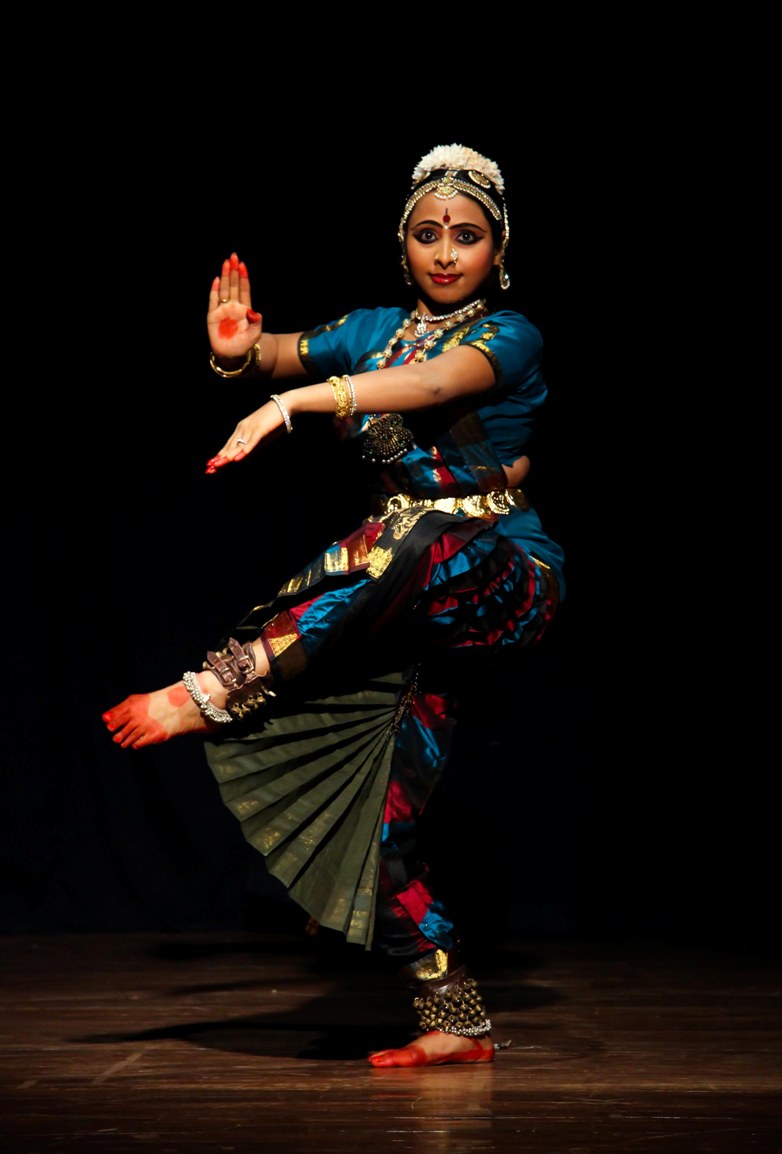
The essence of Bharatanatyam lies in its intricate structure, which combines three core elements: Nritta, Nritya, and Natya. Nritta focuses on pure, abstract dance movements, emphasizing rhythm, speed, and technical precision through basic steps called Adavus. Nritya incorporates expressive elements, using facial expressions, hand gestures (Mudras), and body language to convey emotions and narratives, deeply intertwined with Raga (melody) and Bhava (emotion). Natya adds a dramatic storytelling component, often drawing from Hindu mythology and ancient texts like the Natya Shastra, where dancers embody characters to narrate tales. The dance is characterized by specific postures, such as the Aramandi (bent legs and flexed knees), a fixed upper torso, and dynamic footwork, all performed to the accompaniment of Carnatic music. The precise execution of these elements, much like the detailed processes in fields like quantum chemistry or surgical techniques, requires immense discipline and practice.
🌍 Cultural Impact
Bharatanatyam has had a profound cultural impact, serving as a vital medium for expressing South Indian religious themes and spiritual ideas. Its historical connection to temples made it a central part of community life and cultural celebrations, influencing temple architecture with sculptural representations of dance poses. The dance's revival in the 20th century also coincided with a growing sense of Indian nationalism, making it a symbol of cultural identity. Today, Bharatanatyam is performed globally, transcending its religious origins to encompass secular themes and fusion styles, much like how platforms like Reddit or YouTube have become global hubs for diverse content. Its ability to convey complex emotions and stories resonates with audiences worldwide, fostering cross-cultural understanding and appreciation for Indian heritage.
🔮 Legacy & Future
The legacy of Bharatanatyam continues to evolve, with contemporary dancers and choreographers exploring new themes and collaborations while staying true to its classical roots. The dance form has adapted to modern stages and digital platforms, with online classes making it accessible to a wider audience, similar to how digital music revolution has changed the music industry. While its traditional devotional aspect remains, Bharatanatyam now embraces diverse narratives, including social commentary on issues like gender equality and environmental protection. The dedication of artists and institutions in preserving and promoting this art form ensures its continued relevance, allowing it to inspire future generations and maintain its status as a living, dynamic classical tradition, much like the enduring influence of figures like Albert Einstein in science or the ongoing development of artificial intelligence.
Key Facts
- Year
- c. 200 BCE - Present
- Origin
- Tamil Nadu, India
- Category
- culture
- Type
- concept
Frequently Asked Questions
What is the meaning of the name Bharatanatyam?
The name Bharatanatyam is often understood as a combination of syllables: 'Bha' for Bhava (emotion/expression), 'Ra' for Ragam (melody), and 'Ta' for Talam (rhythm). 'Natyam' is the Sanskrit word for dance. Thus, Bharatanatyam signifies a dance that harmoniously expresses emotion, melody, and rhythm. It can also be interpreted as 'the dance of Bharata,' referring to the ancient sage Bharata Muni.
What was Bharatanatyam called before?
Before being known as Bharatanatyam, the dance form was referred to by several names, including Sadir, Sadir Attam, Dasi Attam, and Chinna Melam. The name Sadir was particularly associated with its performance by Devadasis.
What are the main components of Bharatanatyam?
Bharatanatyam is composed of three main aspects: Nritta (pure dance, focusing on rhythm and technique), Nritya (expressional dance, conveying emotions and stories through gestures and facial expressions), and Natya (dramatic storytelling, often drawing from mythology).
What is the historical significance of temples in Bharatanatyam?
Historically, temples in Tamil Nadu served as the primary venues for Bharatanatyam, where it was performed by Devadasis as a form of worship and spiritual offering. These sacred spaces nurtured the dance form, and temple architecture itself often depicted dance poses, reflecting the deep integration of dance and spirituality.
How did British colonial rule affect Bharatanatyam?
During British colonial rule, the Devadasi system was banned, and Bharatanatyam faced a period of decline. The British viewed the practice negatively, associating it with prostitution and considering it a relic of backward superstition. This led to a stigmatization of the dance form, though it was later revived by Indian artists and activists.
References
- en.wikipedia.org — /wiki/Bharatanatyam
- ipassio.com — /wiki/dance/indian-classical-dance/bharatanatyam
- youtube.com — /watch
- youtube.com — /watch
- artgharana.com — /blogs/dance/origin-and-growth-of-bharatanatyam
- facebook.com — /AbaranTimelessJewellery/videos/bharatanatyam-is-one-of-the-earliest-and-most-we
- worlddanceheritage.org — /bharathanatyam/
- instagram.com — /reel/DVGl8LNFuyU/