
Contents
- 🎵 Origins & History
- ⚙️ How It Works
- 📊 Key Facts & Numbers
- 👥 Key People & Organizations
- 🌍 Cultural Impact & Influence
- ⚡ Current State & Latest Developments
- 🤔 Controversies & Debates
- 🔮 Future Outlook & Predictions
- 💡 Practical Applications
- 📚 Related Topics & Deeper Reading
- Frequently Asked Questions
- References
- Related Topics
Overview
The concept of augmented intelligence in healthcare has evolved from early computational models in the 1950s, when pioneers like John McCarthy began exploring the potential of machines to mimic human thought. By the 1980s, expert systems such as MYCIN were developed to assist in diagnosing bacterial infections. Fast forward to the 21st century, the advent of big data and machine learning has propelled augmented intelligence into the spotlight, with companies like IBM launching Watson Health in 2015 to analyze medical literature and patient data. Today, augmented intelligence is a key player in various medical fields, including radiology, pathology, and genomics, with significant investments from tech giants like Google and Microsoft.
⚙️ How It Works
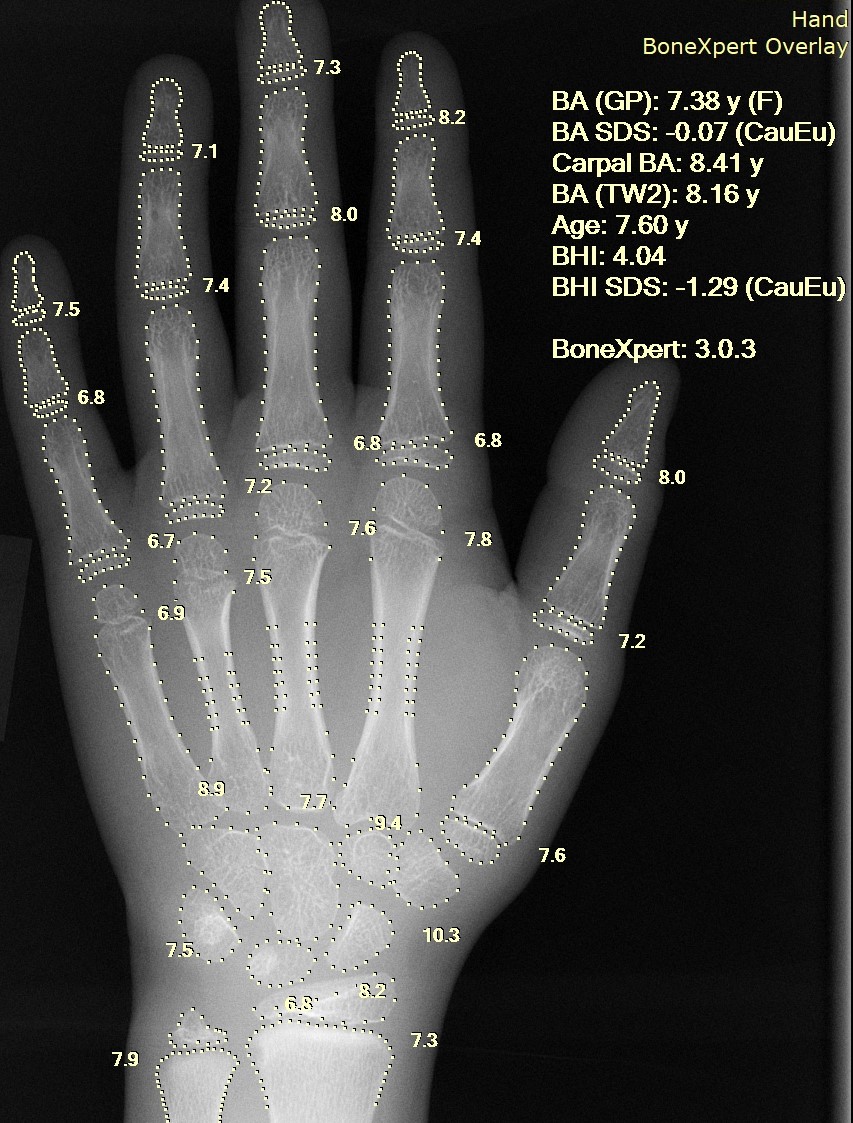
Augmented intelligence works by combining human expertise with AI algorithms to enhance clinical decision-making. For instance, AI systems can analyze medical imaging data, identifying patterns that may be missed by the human eye. Technologies such as deep learning are employed to train algorithms on vast datasets, enabling them to recognize anomalies in X-rays or MRIs with remarkable accuracy. This collaborative approach allows healthcare professionals to leverage AI's analytical power while retaining the critical human touch in patient care.
📊 Key Facts & Numbers
The global market for augmented intelligence in healthcare is booming, with projections estimating it will reach $45.2 billion by 2027, growing at a CAGR of 44.9% from 2020. Furthermore, the use of AI in drug discovery has accelerated the process, with companies utilizing AI to develop COVID-19 vaccines in record time.
👥 Key People & Organizations
Key players in the augmented intelligence landscape include tech giants like IBM, Google, and Microsoft, alongside healthcare-specific startups such as Tempus and Zebra Medical Vision. These organizations are at the forefront of developing AI tools that assist healthcare providers in making more informed decisions. Notable individuals include Fei-Fei Li, a pioneer in AI and machine learning, who has advocated for ethical AI in healthcare. Their contributions are shaping the future of patient care and clinical practice.
🌍 Cultural Impact & Influence
The cultural impact of augmented intelligence in healthcare is profound, influencing how patients interact with their providers and perceive medical technology. As AI tools become more prevalent, patients are increasingly aware of their capabilities, leading to a shift in expectations regarding diagnosis and treatment. For example, the integration of AI in telemedicine platforms has improved access to care, particularly in underserved areas. Additionally, media portrayals of AI in healthcare, such as in the series The Good Doctor, have sparked public interest and debate about the role of technology in medicine.
⚡ Current State & Latest Developments
As of 2024, the current state of augmented intelligence in healthcare is characterized by rapid advancements and growing adoption. Furthermore, partnerships between tech companies and healthcare providers are on the rise, with initiatives like the Google Health and Mayo Clinic collaboration aimed at improving patient outcomes through AI-driven insights. The ongoing COVID-19 pandemic has accelerated the integration of AI in healthcare, highlighting its potential to enhance patient care and operational efficiency.
🤔 Controversies & Debates
Controversies surrounding augmented intelligence in healthcare focus on ethical concerns, including data privacy, algorithmic bias, and the potential for job displacement among healthcare professionals. Critics argue that reliance on AI could lead to dehumanization in patient care, while proponents emphasize the technology's ability to augment human capabilities rather than replace them. The debate over regulatory frameworks for AI in healthcare is also contentious, with calls for transparency and accountability in algorithmic decision-making processes.
🔮 Future Outlook & Predictions
Looking ahead, the future of augmented intelligence in healthcare is poised for significant growth and transformation. Additionally, advancements in natural language processing are expected to enhance patient-provider communication, streamlining documentation and improving care coordination. However, the industry must address ethical challenges and ensure equitable access to AI technologies to avoid exacerbating existing healthcare disparities.
💡 Practical Applications
Augmented intelligence is already making a tangible impact in various healthcare applications. For instance, AI algorithms are being used to analyze electronic health records (EHRs) to identify at-risk patients and optimize treatment plans. Furthermore, AI-powered chatbots are enhancing patient engagement by providing instant responses to common inquiries, improving overall patient satisfaction.
Key Facts
- Year
- 2024
- Origin
- Global
- Category
- technology
- Type
- concept
Frequently Asked Questions
What is augmented intelligence in healthcare?
Augmented intelligence in healthcare refers to the use of AI technologies to enhance human decision-making in medical contexts. This includes applications in diagnostics, treatment planning, and patient monitoring, allowing healthcare professionals to leverage data analysis for improved patient outcomes. For instance, AI algorithms can analyze medical images with high accuracy, assisting doctors in making more informed decisions. The integration of AI is transforming the healthcare landscape, making it more efficient and effective.
How does augmented intelligence improve patient care?
Augmented intelligence improves patient care by providing healthcare professionals with advanced tools for data analysis and decision-making. For example, AI systems can identify patterns in patient data that may not be immediately visible to clinicians, leading to earlier diagnoses and more personalized treatment plans.
What are the ethical concerns related to augmented intelligence in healthcare?
Ethical concerns surrounding augmented intelligence in healthcare include data privacy, algorithmic bias, and the potential for job displacement among healthcare professionals.