
Contents
Overview
Audio mastering is the critical final stage of audio production, where a stereo mix is prepared for distribution. It involves a suite of technical and creative processes aimed at optimizing sound quality, ensuring consistency across different playback systems, and achieving competitive loudness levels. Mastering engineers use specialized tools like equalizers, compressors, limiters, and exciters to enhance clarity, balance frequencies, control dynamics, and imbue a track with its final sonic character. This process is essential for everything from vinyl records and CDs to streaming platforms, ensuring that music translates effectively and sounds professional to the widest possible audience. The goal is not to remix, but to perfect the existing mix, making it ready for the world.
🎵 Origins & History
The practice of audio mastering emerged from the need to prepare recordings for mass production, initially for vinyl records and phonograph records in the early 20th century. Early mastering engineers focused on optimizing the sonic balance for the limitations of these formats, including managing the physical groove cutting process. As recording technology evolved through the mid-20th century, with the advent of magnetic tape and stereo sound, mastering became more sophisticated. The transition from analog to digital audio in the late 20th century further reshaped mastering, introducing new tools and workflows while retaining core principles.
⚙️ How It Works
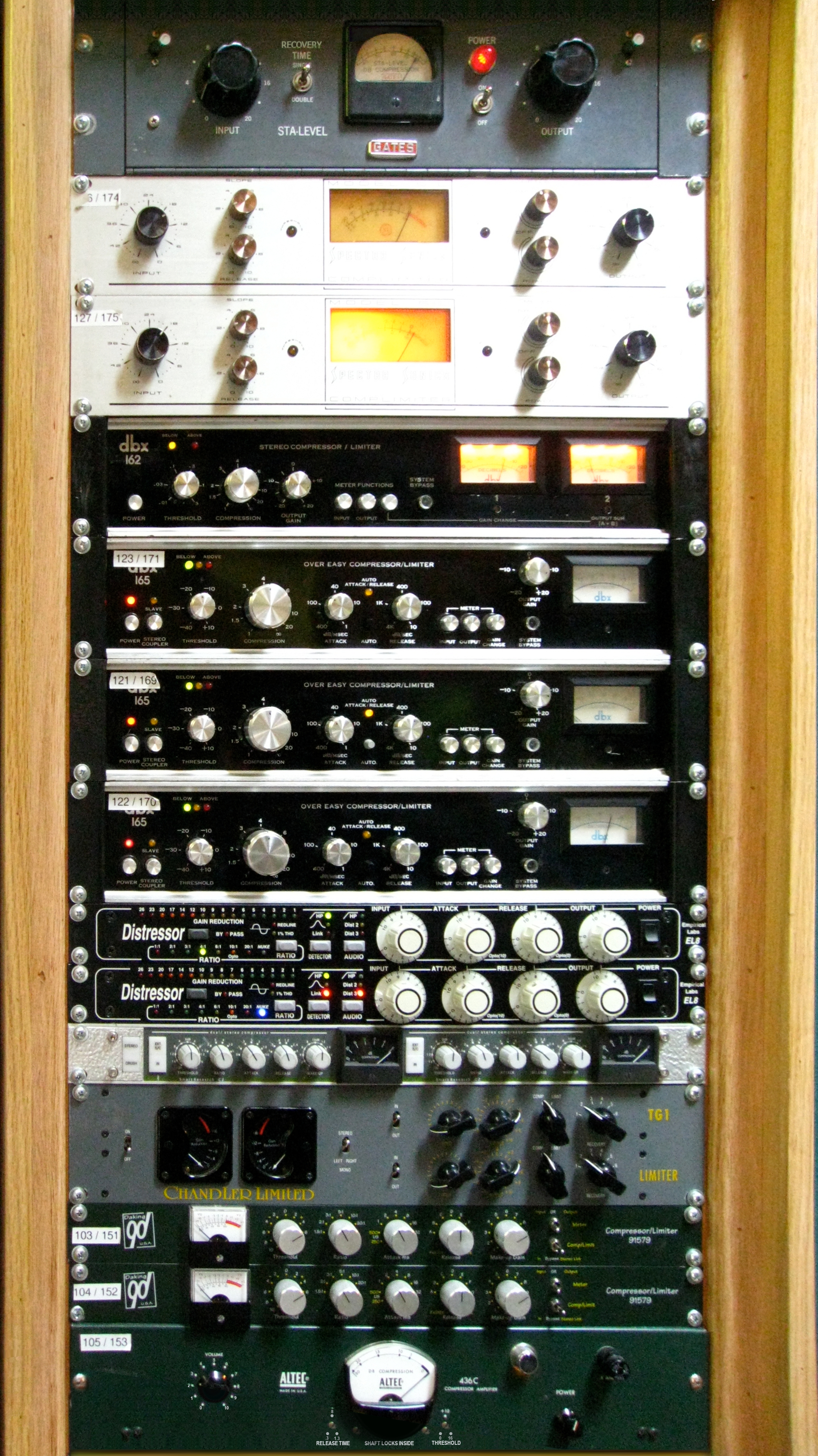
Audio mastering begins with the final stereo mixdown file from the mixing engineer. The mastering engineer's primary task is to apply subtle yet impactful processing to this stereo file. This typically involves equalization (EQ) to fine-tune the tonal balance, dynamic range compression to control loudness and impact, and limiting to maximize perceived loudness without clipping. Other tools like stereo imaging processors, harmonic exciters, and dithering (for digital conversion) are also employed. The engineer listens critically on calibrated monitors in a treated acoustic environment, making decisions to enhance clarity, punch, and overall sonic cohesion, ensuring the track translates well across various playback systems, from small earbuds to large sound systems.
📊 Key Facts & Numbers
The global audio mastering market is substantial. A single mastering session can range from $50 for online services to upwards of $1,000 or more for top-tier engineers in major cities like New York City or Los Angeles. Mastering for a single track typically takes between 30 minutes to 2 hours, while a full album might require 4-8 hours of dedicated work per album. The average loudness of commercially released music has increased significantly, with modern tracks often peaking around -9 LUFS (Loudness Units Full Scale) for streaming, a stark contrast to the -20 LUFS common in the early 2000s.
👥 Key People & Organizations
Pioneering mastering engineers have shaped the industry. Other influential figures include Bob Katz, a proponent of digital mastering and author of 'Mastering Audio: The Art and the Science,' and Emily Lazar, who has mastered for artists like David Bowie and Susan Boyle. Major mastering studios like Sterling Sound in New York, Abbey Road Studios in London, and The Exchange in Los Angeles have been instrumental in developing and disseminating mastering techniques. Companies like Waves Audio, iZotope, and Universal Audio are key developers of the software and hardware tools used by mastering engineers.
🌍 Cultural Impact & Influence
Audio mastering has profoundly influenced how music is consumed and perceived globally. It's the invisible hand that ensures a song sounds powerful and clear on a car stereo, a smartphone speaker, or a high-fidelity sound system. The pursuit of loudness, driven by mastering, has become a cultural phenomenon, often referred to as the 'loudness war', impacting how music is produced and mixed. Mastering also dictates the sonic signature of entire genres, from the polished sheen of pop to the raw energy of rock. The accessibility of mastering tools has democratized the process, allowing independent artists to achieve professional results, thereby diversifying the music industry's sonic landscape.
⚡ Current State & Latest Developments
The current landscape of audio mastering is marked by the increasing prevalence of AI-powered mastering services, such as LANDR and CloudBounce. These platforms offer automated mastering solutions at significantly lower price points, challenging traditional human engineers. Simultaneously, there's a growing appreciation for the nuanced artistry of experienced mastering engineers, leading to a bifurcated market. The industry is also adapting to the dynamic range requirements of various streaming platforms, with services like Spotify and YouTube implementing their own loudness normalization algorithms, subtly influencing mastering decisions to avoid excessive compression. The demand for high-resolution audio formats and immersive audio experiences like Dolby Atmos is also driving new mastering techniques and workflows.
🤔 Controversies & Debates
One of the most significant controversies in mastering is the 'loudness war,' a decades-long trend where mastering engineers progressively increased the perceived loudness of music, often at the expense of dynamic range and sonic fidelity. Critics argue this has led to fatiguing listening experiences and a homogenization of sound. The rise of AI mastering also sparks debate: while it democratizes access, many question its ability to replicate the artistic judgment and subtle sonic sculpting of a skilled human engineer. Furthermore, the ethical implications of mastering for specific platforms, potentially compromising a track's integrity for algorithmic compliance, remain a point of contention among professionals.
🔮 Future Outlook & Predictions
The future of audio mastering will likely see a continued integration of AI, potentially serving as powerful assistants to human engineers rather than replacements. Expect more sophisticated AI tools capable of analyzing and adapting to specific genre conventions and listener preferences. The demand for immersive audio mastering, particularly for Dolby Atmos and other spatial audio formats, will grow, requiring new skill sets and workflows. As streaming platforms refine their loudness normalization policies, mastering may shift back towards preserving more dynamic range, marking an end to the extreme loudness war. The role of the mastering engineer might evolve into a more consultative position, guiding artists on how to best prepare their mixes for an increasingly diverse and complex distribution ecosystem.
💡 Practical Applications
Audio mastering finds practical application across nearly all forms of audio distribution. For musicians and bands, it's the essential step before releasing singles, EPs, or albums on platforms like Spotify, Apple Music, or for physical media like CDs and vinyl. Podcasters and audiobook creators use mastering to ensure consistent volume levels and clarity across episodes and chapters, making their content more accessible and professional. In broadcast media, mastering ensures audio conforms to technical standards and sounds good across different channels. Even sound designers for video games and films utilize mastering principles to enhance the impact and coherence of their audio mixes.
Key Facts
- Category
- technology
- Type
- concept