
Contents
Overview
Migrations of Germanic peoples – primarily the Angles, Saxons, and Jutes – from continental Europe occurred during this period. These groups established numerous kingdoms, often referred to as the Heptarchy. Their political organization evolved over centuries, moving from smaller tribal units to larger kingdoms and eventually a unified English monarchy. Law and order were maintained through a system of customary law, with assemblies like the 'witenagemot' advising the king. Their economy was primarily agrarian, supplemented by trade and craft production. Major centers of commerce emerged in towns like London and York. Religious life transitioned from paganism to Christianity.
⚙️ How It Worked
Anglo-Saxon society was structured around a hierarchical system, with kings, nobles (thegns), and a large population of free peasants (ceorls) and enslaved people. Their political organization evolved over centuries, moving from smaller tribal units to larger kingdoms and eventually a unified English monarchy. Law and order were maintained through a system of customary law, with assemblies like the 'witenagemot' advising the king. Their economy was primarily agrarian, supplemented by trade and craft production, with major centers of commerce emerging in towns like London and York. Religious life transitioned from paganism to Christianity.
📊 Key Facts & Numbers
Old English, the language spoken by the Anglo-Saxons, is the direct ancestor of modern English. Prominent monastic centers like Canterbury and Lindisfarne were crucial hubs of religious and intellectual activity.
👥 Key People & Organizations
Prominent monastic centers like Canterbury and Lindisfarne were crucial hubs of religious and intellectual activity, supported by royal patronage and the efforts of numerous abbots and bishops.
🌍 Cultural Impact & Influence
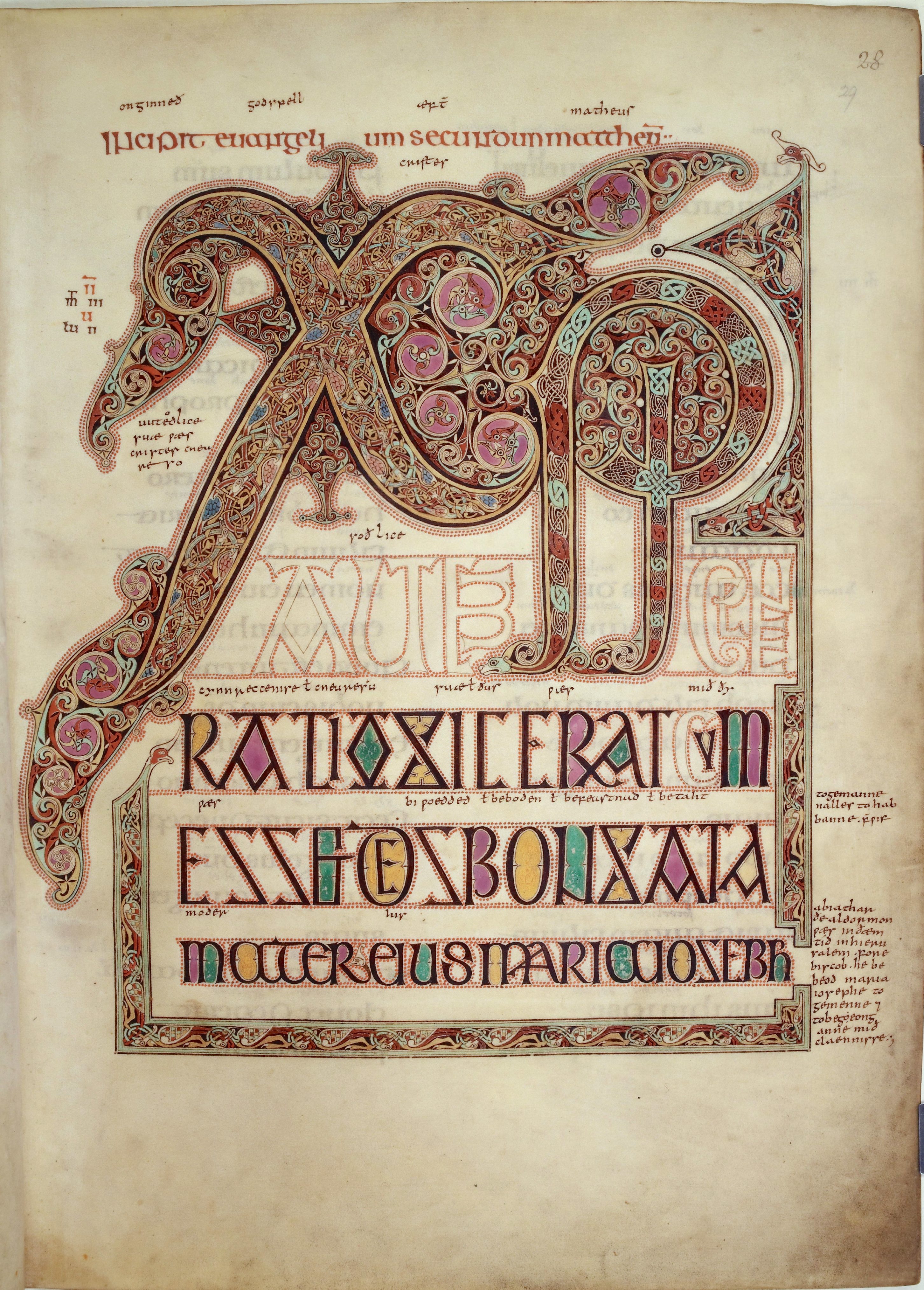
The cultural legacy of the Anglo-Saxons is profound, most notably in the English language itself, which evolved from Old English into Middle English and eventually modern English. Their artistic achievements are visible in intricate metalwork, illuminated manuscripts like the Lindisfarne Gospels, and monumental architecture, though much of their wooden structures have not survived. Anglo-Saxon law and governance systems influenced the development of English common law. Their literature, including epic poems like Beowulf and the Anglo-Saxon Chronicle, offers enduring narratives and historical records that continue to be studied and appreciated worldwide. The concept of 'Englalond' (Land of the English) solidified during this period, shaping national identity.
⚡ Current State & Latest Developments
While the Anglo-Saxon period concluded in 1066, the study and appreciation of Anglo-Saxon culture are more vibrant than ever. Archaeological discoveries continue to unearth new insights, such as the Sutton Hoo ship burial. Modern scholarship, utilizing advanced linguistic analysis and DNA studies, refines our understanding of their migrations and interactions. The resurgence of interest in Old English, driven by historical linguistics programs and popular culture like the TV series 'The Last Kingdom,' demonstrates a sustained fascination. Contemporary historians and archaeologists at institutions like the University of Oxford and the University of Cambridge actively contribute to ongoing research.
🤔 Controversies & Debates
A significant debate surrounds the extent of cultural replacement versus assimilation of the native Romano-British population by Anglo-Saxon settlers. Some scholars, like Gareth Williams, argue for a more gradual process of cultural change and intermarriage, challenging earlier notions of a wholesale Germanic conquest. The precise origins and migration patterns of the Angles, Saxons, and Jutes are also subjects of ongoing research, with genetic studies sometimes yielding results that differ from traditional archaeological interpretations. Furthermore, the degree to which Viking influence, particularly during the Danelaw period, altered or preserved Anglo-Saxon culture remains a point of discussion among historians.
🔮 Future Outlook & Predictions
The future of understanding Anglo-Saxon England lies in interdisciplinary approaches. Advances in paleogenetics and archaeological techniques, such as LiDAR scanning and isotopic analysis, promise to reveal more about settlement patterns, diet, and migration routes. Computational linguistics will likely offer new ways to analyze Old English texts and their evolution. The ongoing digital preservation and accessibility of manuscripts like the Beowulf manuscript will ensure wider scholarly engagement. Future research may also shed more light on the lives of ordinary Anglo-Saxons, moving beyond the focus on kings and elites, potentially through the analysis of burial sites and everyday artifacts.
💡 Practical Applications
The study of Anglo-Saxon England has direct applications in understanding the evolution of the English language, providing etymological roots for thousands of modern words. Historical linguistics programs at universities worldwide utilize Anglo-Saxon texts to teach Old English, a skill vital for philology and literary analysis. Archaeological findings from Anglo-Saxon sites inform museum exhibits and educational materials, fostering public engagement with history. Furthermore, understanding Anglo-Saxon legal and administrative structures offers comparative insights for political science and the history of governance, demonstrating early forms of representative assemblies and legal codes.
Key Facts
- Category
- history
- Type
- movement