
Contents
Overview
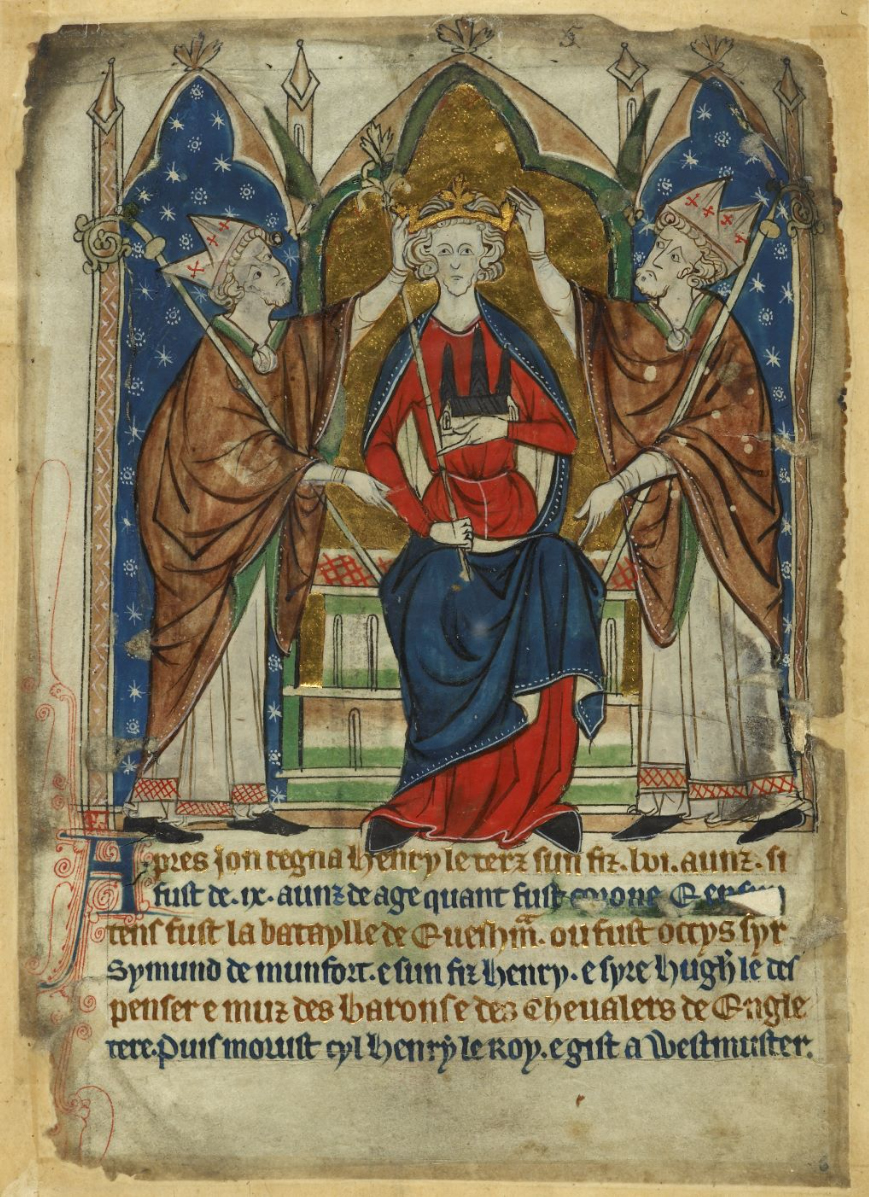
The genesis of Anglo-Norman French is linked to the Norman Conquest of 1066. Following the victory at the Battle of Hastings, Norman French became the language of the ruling class, displacing Old English in courts, government, and religious institutions. This wasn't a sudden imposition but a gradual shift, with Norman settlers and administrators bringing their dialect to England. Over centuries, this dialect evolved distinctly from its continental counterparts, influenced by the existing Old English substrate and the unique sociolinguistic environment of the British Isles. By the 12th century, it had solidified into a recognizable variety, distinct enough to be termed Anglo-Norman. Its prestige ensured its dominance, with texts like the Anglo-Norman Chronicle and legal documents such as the Laws of Henry I showcasing its early literary and administrative applications. The language continued to flourish through the reigns of Henry II, Richard the Lionheart, and King John, solidifying its place in English history.
⚙️ How It Worked
Anglo-Norman French functioned as a distinct dialect of Old Norman, itself a Romance language descended from Vulgar Latin via Old French. Its phonology and grammar retained many features of Norman French, such as the preservation of initial /k/ and /ɡ/ sounds (e.g., cattle, garden, contrasting with Old French chival and jardin), and specific verb conjugations. However, it also began to absorb Old English vocabulary and grammatical structures, particularly in areas of daily life not covered by the Norman elite's lexicon. The written form, often referred to as Anglo-Norman, was characterized by its orthography, which sometimes reflected French conventions while at other times accommodating English sounds. The legal system, for instance, developed a specialized jargon within Anglo-Norman, creating a rich corpus of legal terminology that persists in modern English law. The language was used for a wide range of genres, from epic poetry and romances to chronicles and administrative records, demonstrating its versatility.
📊 Key Facts & Numbers
Legal terms like judge, jury, plaintiff, and evidence are all Anglo-Norman imports. Similarly, terms related to government and administration, such as parliament, sovereign, council, and authority, entered English during this time. Even everyday words like beef, pork, and mutton (contrasting with the Anglo-Saxon cow, swine, and sheep) reflect the Norman elite's culinary preferences. French continued to be used in Parliament for centuries after 1362.
👥 Key People & Organizations
Key figures in the Anglo-Norman linguistic landscape include William the Conqueror, whose conquest initiated the era. Chroniclers like Orderic Vitalis and Geoffrey Gaimar documented events in Anglo-Norman, providing invaluable linguistic and historical records. Legal scholars and administrators, though often unnamed, were crucial in embedding the language into the fabric of English governance. The University of Oxford and University of Cambridge, established during this period, would later become centers for the study and evolution of English, indirectly influenced by the linguistic heritage. The House of Plantagenet, the ruling dynasty from 1142 to 1485, would have actively patronized literature and administration in Anglo-Norman, further cementing its status. The Cistercian Order also played a role, with their monasteries serving as centers of learning and manuscript production in Anglo-Norman.
🌍 Cultural Impact & Influence
The cultural impact of Anglo-Norman French on Britain is profound and multifaceted. It served as the primary vehicle for literature, law, and governance for centuries, shaping the very identity of the English ruling class. The influx of French vocabulary fundamentally altered the lexicon of Old English, transforming it into Middle English. This linguistic fusion is evident in countless words related to chivalry, courtly love, and aristocratic pursuits. The legal system, as mentioned, is a direct beneficiary, with terms like attorney, verdict, and felony still in common use. The culinary arts also bear its mark, with words like sauce, pastry, and roast originating from Anglo-Norman. Beyond language, the Norman influence extended to architecture, with the construction of numerous castles and cathedrals in the Romanesque style, and to social structures, reinforcing feudalism. The enduring presence of French loanwords in English is a constant reminder of this transformative period.
⚡ Current State & Latest Developments
Anglo-Norman French is now a dead language, with its last native speakers disappearing by the late 15th century. However, its influence is far from dormant. Modern scholarship continues to analyze its texts to understand the evolution of both English and French. Digital humanities projects are increasingly digitizing and analyzing Anglo-Norman manuscripts, making them more accessible for research. Linguists at institutions like University College London and Sorbonne University continue to study its phonological and grammatical shifts. While no longer spoken, its legacy is actively preserved and studied, ensuring its continued relevance in academic circles and its indirect presence in everyday English. The ongoing work in historical linguistics and corpus analysis ensures that the nuances of Anglo-Norman are not lost to time.
🤔 Controversies & Debates
One of the primary debates surrounding Anglo-Norman French concerns the precise extent of its influence on Old English and the subsequent development of Middle English. Some scholars argue for a more profound grammatical impact, suggesting that Anglo-Norman structures influenced English syntax more than previously acknowledged. Others emphasize the lexical borrowing, pointing to the sheer volume of French loanwords as the primary legacy. Another point of contention is the exact dating of the divergence of Anglo-Norman from continental Norman dialects. Furthermore, the role of Anglo-Norman in Ireland, where it was also introduced, is a subject of ongoing historical and linguistic investigation, with debates about its distinctiveness from its English counterpart. The classification of Anglo-Norman itself—as a dialect of Old Norman versus a distinct language—also sparks academic discussion.
🔮 Future Outlook & Predictions
The future of Anglo-Norman French lies not in its revival as a spoken tongue, but in its continued scholarly exploration and its indirect influence on language learning. Advanced computational linguistics and AI-powered text analysis tools are likely to unlock new insights into its structure and evolution, potentially revealing patterns previously missed by manual analysis. Digital archives and online databases will continue to expand, making the corpus of Anglo-Norman literature and administrative documents more accessible to a global audience. Future research may also focus on comparative studies with other Insular Romance varieties or the impact of Anglo-Norman on other languages within the British Isles and Ireland. The ongoing digitization of historical records promises to unearth new texts, further enriching our understanding of this pivotal linguistic era.
💡 Practical Applications
The primary practical application of studying Anglo-Norman French today is in understanding the history and evolution of the English language. For linguists and philologists, it provides a crucial bridge between Old English and Middle English, illuminating how English absorbed foreign influences and transformed its vocabulary and grammar. It is also vital for historians studying the Norman period in Britain, as administrative documents, legal texts, and chronicles written in Anglo-Norman offer direct insights into the governance and social structures of the time. Furthermore, for scholars of French literature, it represents a significant b
Key Facts
- Category
- history
- Type
- topic