
Vibepedia

Department of Defense (DoD) | Vibepedia

Global Power Projection Technological Innovation National Security Nexus
Department of Defense (DoD) | Vibepedia

The Department of Defense (DoD) is the executive branch department of the U.S. federal government charged with coordinating and supervising all agencies and…

Contents

  1. 🛡️ Mission & Scope: The Pentagon's Mandate
  2. 🏛️ Organizational Structure: Who's in Charge?
  3. 📍 Location & Access: The Pentagon Itself
  4. ⭐ What People Say: Public Perception & Vibe Score
  5. ⚖️ Oversight & Accountability: Checks and Balances
  6. 💰 Budget & Resources: The Price of Security
  7. 🚀 Key Initiatives & Future Focus
  8. 🤝 Similar Entities: Beyond the DoD
  9. 💡 Practical Tips for Engagement
  10. 📞 Getting Started: Contacting the DoD
  11. Frequently Asked Questions
  12. Related Topics

Overview

The Department of Defense is the executive arm of the U.S. federal government tasked with the monumental responsibility of coordinating and supervising the nation's military might. Its purview extends across the United States Army, United States Navy, United States Marine Corps, United States Air Force, and the United States Space Force. For specific operational contexts, the United States Coast Guard also falls under its umbrella. The DoD's core mission, as stated, is to "provide the military forces needed to deter war and ensure our nation's security," a directive that shapes its global posture and domestic operations. This mandate positions the DoD as a central pillar in U.S. foreign policy and international relations.

🏛️ Organizational Structure: Who's in Charge?

At the apex of the DoD sits the Secretary of Defense, a civilian appointed by the President and confirmed by the Senate. This role oversees the Joint Chiefs of Staff, comprising the senior uniformed leaders of each military branch, who advise the Secretary and the President on military matters. The department is further segmented into the Department of the Army, Department of the Navy, and Department of the Air Force, each headed by a civilian secretary. These service departments manage their respective branches, ensuring readiness and strategic alignment with the overarching DoD objectives. This layered structure aims to balance civilian control with military expertise.

📍 Location & Access: The Pentagon Itself

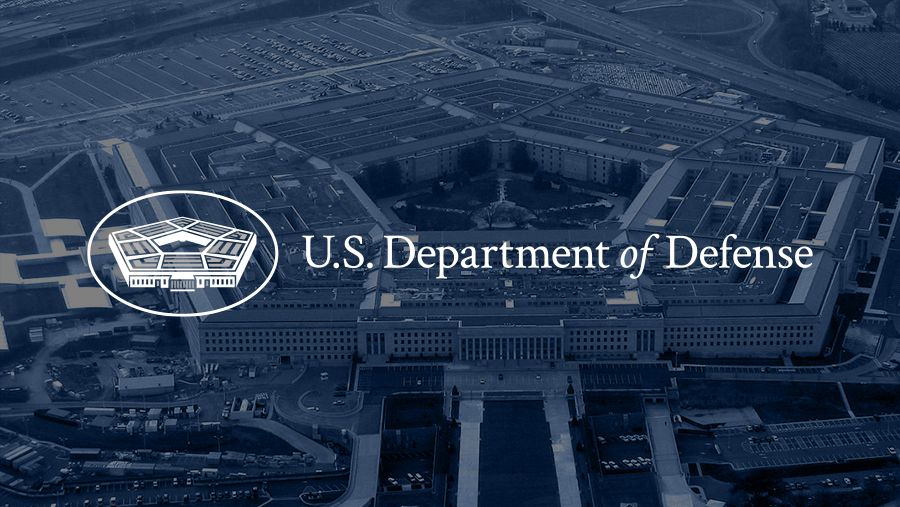
The iconic Pentagon, located in Arlington County, Virginia, serves as the DoD's nerve center. This massive five-sided building is more than just an architectural marvel; it's a hub of strategic planning, intelligence analysis, and administrative operations. While direct public access to the Pentagon is highly restricted, guided tours are available by reservation through congressional offices or foreign embassies, offering a glimpse into the heart of American military command. Its proximity to Washington, D.C. underscores its integral role in the nation's capital and its governance.

⭐ What People Say: Public Perception & Vibe Score

The public perception of the DoD is complex, often oscillating between admiration for its protective role and concern over its vast power and expenditure. Its Vibe Score typically hovers in the mid-60s, reflecting a general respect for its capabilities but also a persistent undercurrent of skepticism regarding its transparency and impact on global affairs. Debates surrounding military spending and interventionism frequently shape public discourse, influencing the DoD's overall cultural resonance. This dynamic tension is a constant factor in how the department is viewed domestically and internationally.

⚖️ Oversight & Accountability: Checks and Balances

Oversight of the DoD is a critical function, designed to ensure accountability and prevent overreach. The United States Congress plays a significant role through its House Committee on Armed Services and Senate Committee on Armed Services, which authorize budgets and conduct investigations. The Government Accountability Office (GAO) also audits DoD finances and operations, identifying inefficiencies and potential misconduct. Furthermore, internal inspector general offices within the DoD investigate waste, fraud, and abuse, aiming to maintain ethical standards and operational integrity. This multi-pronged approach seeks to balance the need for decisive military action with democratic principles of civilian control.

💰 Budget & Resources: The Price of Security

The DoD commands an astronomical budget, consistently ranking among the largest government expenditures globally. For Fiscal Year 2023, the enacted budget was approximately $858 billion, funding personnel, research and development, procurement, and global operations. This immense financial resource fuels everything from advanced military technology development to maintaining a global network of bases and alliances. Understanding the scale of the DoD's budget is crucial for grasping its economic impact and its influence on the global defense industry.

🚀 Key Initiatives & Future Focus

The DoD is continuously engaged in adapting to evolving global threats and technological advancements. Key initiatives include modernizing nuclear deterrents, enhancing cybersecurity capabilities, and developing advanced artificial intelligence for military applications. The establishment of the United States Space Force signals a strategic pivot towards space as a critical domain for national security. These forward-looking efforts aim to maintain U.S. military superiority and address emerging challenges in a rapidly changing geopolitical landscape.

🤝 Similar Entities: Beyond the DoD

When considering entities involved in national security and defense, several organizations bear resemblance to the DoD. The Department of Homeland Security (DHS) focuses on domestic security, border control, and emergency management, working in concert with the DoD on certain national security matters. Internationally, organizations like NATO (North Atlantic Treaty Organization) represent collective defense alliances, pooling military resources and strategic planning among member states. Understanding these related entities helps contextualize the DoD's unique role within the broader framework of global security.

💡 Practical Tips for Engagement

Engaging with the Department of Defense, whether as a citizen, a contractor, or a researcher, requires a clear understanding of its structure and processes. For those interested in defense contracting, navigating the Federal Acquisition Regulation (FAR) is essential. Aspiring service members should explore the specific requirements for each branch via their respective recruitment websites. For academic or policy research, accessing publicly available reports and congressional testimonies offers valuable insights into DoD strategies and operations. Patience and thoroughness are key when dealing with such a large and complex organization.

📞 Getting Started: Contacting the DoD

Direct engagement with the Department of Defense typically begins with identifying the specific branch or agency relevant to your inquiry. For general information, the official DoD website is the primary portal. Prospective recruits should contact local military recruitment offices. Businesses seeking to contract with the DoD should explore the System for Award Management (SAM.gov) and relevant procurement portals. For media inquiries, the Pentagon Press Secretary's office serves as the official point of contact. Understanding the appropriate channel ensures your query is directed efficiently.

Key Facts

Year
1947
Origin
United States
Category
Government & Geopolitics
Type
Government Agency

Frequently Asked Questions

What is the primary mission of the Department of Defense?

The primary mission of the DoD is to provide the military forces necessary to deter war and ensure the security of the United States. This encompasses maintaining readiness across all branches, developing advanced military capabilities, and projecting power globally when necessary to protect national interests.

Who is the current Secretary of Defense?

The current Secretary of Defense is Lloyd Austin. He was sworn into office on January 22, 2021, and is the principal advisor to the President on defense matters. His role involves overseeing the entire Department of Defense apparatus.

How can I find out about career opportunities in the DoD?

Career opportunities within the DoD are vast and varied. Aspiring individuals can explore options through the official websites of each military branch (Army, Navy, Air Force, Marines, Space Force) or visit the DoD's careers portal. Recruitment offices are also available nationwide for direct consultation.

What is the difference between the DoD and the Department of Homeland Security?

The DoD is primarily focused on external defense and military operations abroad, while the Department of Homeland Security (DHS) is responsible for domestic security, including border protection, counterterrorism, and emergency response. While they collaborate, their core mandates are distinct.

How is the DoD budget determined?

The DoD budget is determined through a complex process involving proposals from the President's administration, detailed review and authorization by congressional committees (like the House and Senate Armed Services Committees), and final appropriation by Congress. This budget funds personnel, operations, procurement, and research and development.

Can civilians work for the Department of Defense?

Yes, a significant portion of the DoD workforce consists of civilian employees. These individuals fill a wide range of roles in areas such as administration, research, engineering, logistics, and policy development, supporting the military operations and strategic goals of the department.